Thursday, June 13, 2013

Zambia's Population and Culture

Zambia has a population of 13 million people, growing 3 % annually(Culture Grams). More then half of the people live in rural areas, and also half their population is under the age of 15! There is a very small amount of white people that live in Zambia, 99.5 % of the population is African. There is over 70 ethnic groups that live in Zambia, of those 70 the largest are the Bemba, Nyanja, Tonga, and the Lozi.

English is the official language of Zambia, it’s spoken in government and schools. Although english is the official language there is many more considering there is 70 different ethnic groups. The most common religion is a mix of indigenous beliefs and Christianity. Statistics estimate that between 50 and 70 % of Zambian people belief in Christianity. Muslim and Hindu are the second religions practiced by those who don’t believe in Christianity.

Primary school starts at age seven and lasts seven years. Most kids who start school end up completing it. After primary school there is secondary school, this school lasts for five years. Although lots of families would like to send their kids to school, many can’t because of the expense. After you finish secondary school there is many universities that you can go to, but again it’s pricey. Health care in Zambia is not the best, like a lot of African countries. Now healthcare is free in rural areas because people that could not afford it before would die from treatable diseases.

Traditional music is very popular in rural areas. There are many dances that go along with these songs, including the ngoma which is a dance performed by the Ngoni people. Instruments played in Zambia include xylophones, drums, and the kalimba which is like a guitar. Families in Zambia usually have around eight people in a house. Like many other African countries a lot of families live with or very close to their extended family. The father in the family is the breadwinner, while the mothers usually clean, cook, and take care of the kids. Many kids love to play soccer when they have free time, they also play checkers and mankala. The average family in Zambia have one meal at dinner time and snacks throughout the day, including fruit, sugar cane, peanuts, and corn. The dinner usually consists of vegetables and rice.


Zambia's Climate and Vegetation

Zambia has three seasons, the first is the cool dry season which is from April to August, the second is the hot dry season which is from August to October. The third season is the warm rainy season which is from November to April. Zambia rarely gets below 60 degrees in any season, and the highest it gets is around 90. Also, the place that gets the most rainfall is the northeast, the region that is the coldest is central Zambia, and the hottest place is east Zambia.

A cool thing about Zambia is that a lot of the country is devoted to land for animals such as lions, zebras, elephants, hippos, and all different types of birds.

Wednesday, June 12, 2013

Zambia's Geography

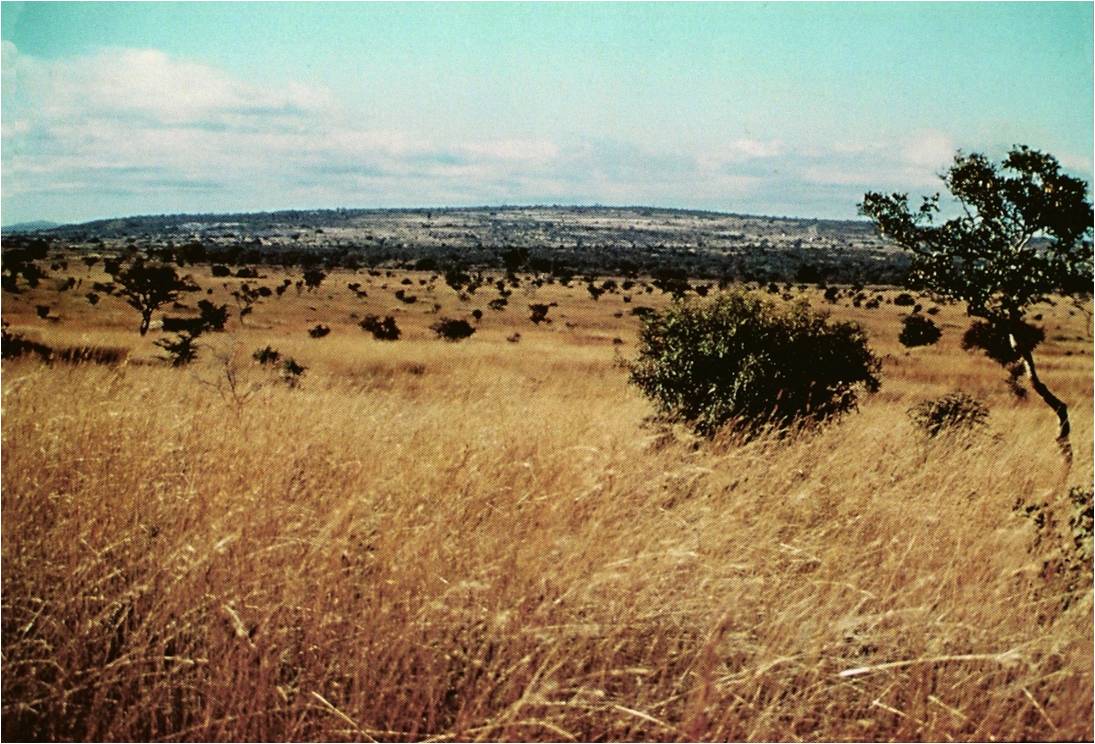
Zambia is a country that is the size of Texas, it's alsolocated in Southern Africa. The Central African Plateau is located in the highlands of Zambia. Also in Zambia there is lowlands that turn into wetlands during the rainy season, and there is rift valleys. Zambia is also home to the Copper Belt, the Copper Belt is a 90 mile region that contains rich copper. There are many lakes in Zambia, but the most important is Lake Tanganyika which is an African Great Lake. This lake is considered to be the second longest and deepest fresh water lake in the world. Also, Zambia’s landscape consists mostly of savanna.


Savanna


The minerals that they mine in Zambia include Limestone, Sand, Phosphate, Coal, and Feldspar. Most of the energy that Zambia uses comes from hydroelectric power plants. Some parts of Zambia have fertile soil, while others don’t. Industries in Zambia include mining, construction, chemicals, and fertilizers.

Laos Global Relationships

After the collapse of the Soviet Union, Laos realized that they needed to become friendlier with their bordering countries. The effort to become friendly resulted in gaining allies such as China, the United States, Vietnam, and Thailand. Laos is part of many organizations, some of them are the SouthEast Asian Nations, World Tourism Organization, and the United Nations.

Tuesday, June 11, 2013

Laos People and their Environment

The major concerns about the environment of Laos is that there is unexploded bombs from the Vietnam war, deforestation, soil erosion, and non drinkable water. There is a concern about unexploded bombs because if they go anywhere close to them they might get set off. Also, deforestation is a huge problem because we need trees to live, it also destroys animals habitats. Also, soil erosion is a main problem because agriculture is their main source of income and if all the soil erodes then there would be no more crops. Although all the concerns I talked about are huge, but the main concern is that there is no no drinking water. If there is no drinking water then people will die of thirst or get sick from the contaminated water that they drink. All of these concerns are challenges for the future.


Laos Economy

Laos is considered a poor country that has a socialist republic economy. The economy is growing very quickly, but it’s still considered bad. The main employment in Laos is agriculture, it employs about 80 percent of the people. The crops that are grown are rice, vegetables, tobacco, and coffee. The main industries are mining, timber, electric power, and tourism(Culture Grams).

In the rural areas most people walk, bike, or ride a motorcycle to get from place to place. However, in the city most of the people use cars. In the cities there is public transportation like buses, wagons, and pick up trucks. Also, the Mekong river is used to transport people and goods, but not many people use it anymore. People in Laos use telephones to communicate with one another.

Laos History and Governemnt

Laos was officially a country in 1897 when the French took several different territories and combined them to make it. In 1984 Japan took over Laos at the end of World War II, but then it was regained by the French. In 1949, French made Laos an independent state under the French Union. In 1953, Laos gained full independence as a constitutional monarchy with a king as a ruler. In 1955, Laos got accepted into the United Nations. During the 1960’s and 70’s the United States bombed Laos in intent to cut off supplies. In 2012, the started developing the first hydroelectric plant on the Mekong River.

Hydro electric plant